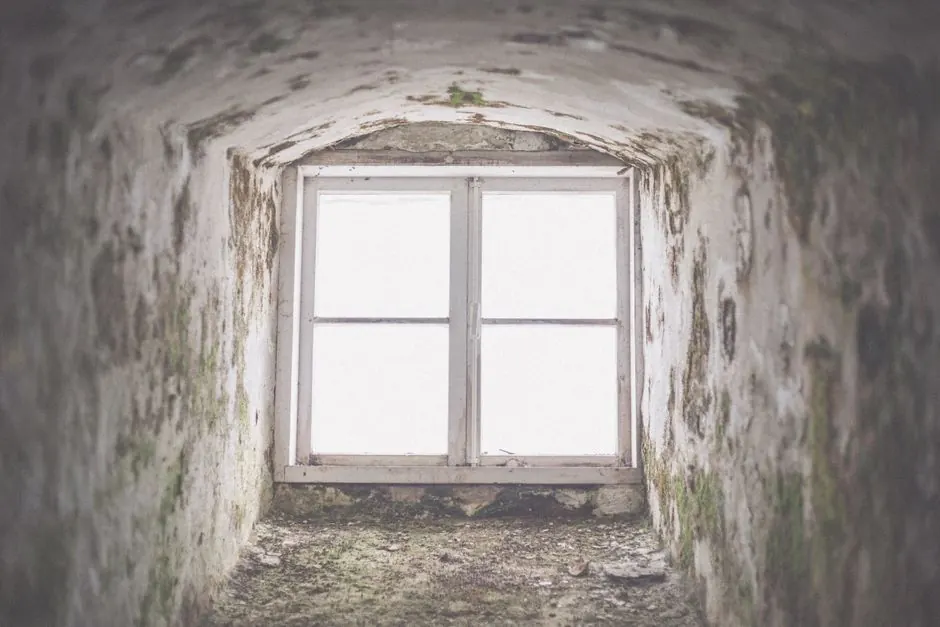
Humidity is a critical factor influencing mold growth in Nashville homes. In fact, the humid climate combined with the region's unique weather patterns creates an ideal environment for mold spores to thrive. This article delves into how humidity impacts mold growth in Nashville, offering insights and practical tips for homeowners to manage and mitigate these risks.
Understanding Humidity Levels in Nashville Homes
Nashville experiences a humid subtropical climate, characterized by hot summers and mild winters. The average humidity level in Nashville typically ranges from 60% to 80% during the summer months. Such high humidity levels significantly increase the likelihood of mold growth in homes, especially in areas that are poorly ventilated.
To understand the humidity impact on mold growth in Nashville, it's essential to recognize how moisture accumulates in your home. Common sources include:
- Cooking and bathing
- Leaky roofs or plumbing
- Condensation on windows and walls
- Flooding or water damage
To combat these factors, homeowners should regularly monitor humidity levels and use dehumidifiers where necessary. This proactive approach can prevent mold spores from settling and proliferating.
How Humidity Affects Mold Growth in Homes in Nashville
Mold spores are present in the air, and when humidity levels rise above 60%, these spores can settle on surfaces and begin to grow within 24 to 48 hours. Understanding humidity levels in Nashville homes is essential for effective mold prevention. The spores thrive in damp, warm environments, making basements and attics prime locations for mold development.
In Nashville, homeowners often face humidity-related challenges due to the following factors:
- Seasonal weather changes
- Proximity to water bodies
- Older home structures that may not have adequate moisture barriers
By recognizing these factors, homeowners can take preventive measures to control humidity and manage mold growth effectively.
Common Signs of Humidity-Related Mold Growth
Identifying humidity-related mold growth early can save you from costly remediation later. Here are some signs to watch for:
- Visible mold on walls, ceilings, or floors
- Musty odors in certain areas of the home
- Frequent respiratory issues among family members
- Condensation on windows or walls
If you notice any of these signs, it's crucial to address the underlying humidity issues promptly. Ignoring them can lead to more significant problems, such as structural damage and health risks.
Controlling Humidity Levels to Prevent Mold
Effective humidity control is essential for preventing mold growth in Nashville homes. Here are some strategies to manage humidity levels:
- Use dehumidifiers in high-moisture areas, such as basements and crawl spaces.
- Ensure proper ventilation in kitchens and bathrooms to reduce moisture accumulation.
- Seal any leaks in roofs, walls, and plumbing to prevent water ingress.
- Consider professional dehumidification services nashville to maintain optimal indoor humidity levels.
By implementing these strategies, you can significantly reduce the risk of mold growth in your home.
Common Mistakes in Humidity Management
Many homeowners make mistakes that can exacerbate humidity-related mold issues. Here are some common pitfalls to avoid:
- Neglecting regular maintenance of HVAC systems, which can lead to excess moisture.
- Overlooking areas prone to condensation, such as windows and doors.
- Failing to address leaks or water damage promptly.
- Using fans instead of dehumidifiers, which may not effectively reduce humidity levels.
Avoiding these mistakes can help keep your home mold-free.
When to Call a Professional
If you suspect a significant mold problem or are unsure how to manage humidity levels effectively, it may be time to call a professional. At mold remediation nashville in Nashville, we specialize in identifying and resolving humidity-related mold issues. Our team can assess your home and provide tailored solutions to keep your living environment safe and healthy.
Frequently Asked Questions
What humidity level is too high for Nashville homes?
Generally, humidity levels above 60% are considered too high for homes in Nashville, as they create an environment conducive to mold growth.
How can I reduce humidity in my Nashville home?
To reduce humidity, use dehumidifiers, ensure proper ventilation, and fix leaks promptly. Regular maintenance of HVAC systems can also help manage moisture levels.
What are the signs of humidity-related mold growth in Nashville?
Signs include visible mold, musty odors, and condensation on windows or walls. Health issues like respiratory problems can also indicate mold presence.
How to control humidity to prevent mold in Nashville?
Control humidity by using dehumidifiers, improving ventilation, sealing leaks, and maintaining HVAC systems. Regular monitoring of indoor humidity levels is essential.
Get help with mold remediation nashville in nashville
If you're struggling with humidity-related mold issues, reach out to us at Nashville Mold Remediation Solutions. We offer expert services to ensure your home remains safe and healthy. Call us at +16153986632 for immediate assistance.